President Trump and his administration argue every day that the U.S.-Israel campaign against Iran is succeeding, and succeeding every way possible.
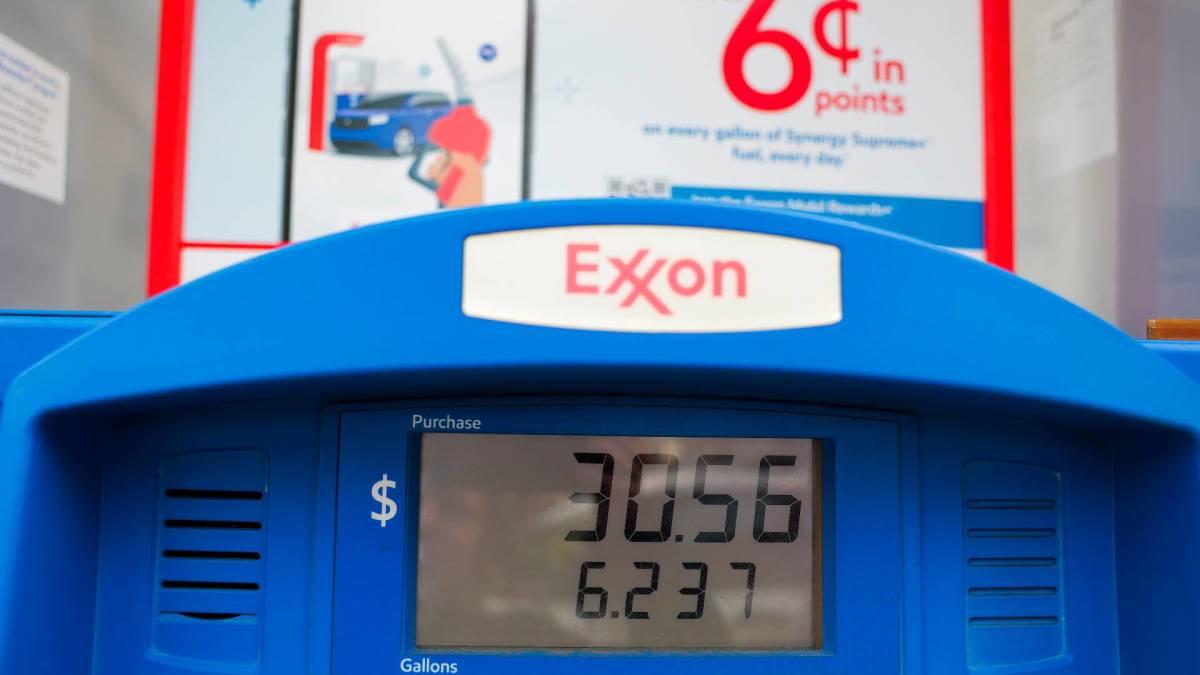
Except in the markets and at gas pumps across the United States where motorists look stunned when they realize retail gas prices are up nearly 30% since the beginning of 2026.
That was not what they expected in 2026. It’s certainly not what they were promised.
But here it is.
GasBuddy’s data put the average U.S. gasoline price at $3.643 a gallon on March13. AAA’s average was $3.63 a gallon. The increase in the last two weeks: About 22%.
Related: Goldman Sachs resets oil price target for rest of 2026
Oil prices continued to shoot higher as well on March 13 and may move higher next week.
Brent crude, the global benchmark, settled at $103.14 a barrel on March 13, up 2.7% on the day and 69.5% since Dec. 31.
Light sweet crude, the benchmark U.S. crude, finished at $98.71 per 42-gallon barrel, up 3.1% on the day and 8.6% for the week and 72% since Dec. 31, 2025. It reached as high as $99.32 during the day.
If the strait remains blocked, oil prices could rise above $125 next week, according to a note from Peter Cardillo, chief market economist at Spartan Capital in New York.
Friday’s close was the highest price since June 2022 when the oil prices soared in reaction to the Russia invasion of Ukraine and the easing of the Covid-19 pandemic.
Sadly, the price shock of 2026 shows few signs of easing yet because Iran has been defending itself against the United States, Israel and even Iran’s neighbors by threatening to halt tanker traffic through the Strait of Hormuz, the 22-mile wide body of water that connects the Persian Gulf to the Indian Ocean.
Some 20% of the world’s crude passes through the strait, most of it bound for Asian customers like China. Safe passage for tankers through the Strait is a key element supporting the global economy.
The strait is effectively shut down now. Iran is escorting tankers with loaded Iranian oil, but tankers carrying oil for, say, Saudi Arabia, Kuwait or Oman, are remaining anchored. Maritime insurers won’t insure those vessels or their cargoes if they try to go through the strait.
The war between Israel and the United States and Iran has been hurting stocks overall, but energy stocks were mostly higher. Exxon Mobil was up 1.7% to $2156.12.
The Standard & Poor’s 500 Index was down 0.7% to 6,629. The Dow Jones Industrial Average dropped 0.3% to 46,534, and the Nasdaq Composite was off 0.9% to 22,105.
Related: Iran’s shocking threat to boost oil to $200
Oil prices have soared despite promises from the United States and the member nations of the International Energy Association to release millions of barrels of oil into the global markets in a bid to trim oil prices. The United States expects to release 172 million barrels of crude over the next four months. IEA members plan to release 400 million barrels.